Renewable Energy on Your Land
With over 20 years' experience in renewable energy, Herbert R Thomas has advised on wind, solar, battery storage (BESS), hydro, biomass and direct wire schemes across South Wales — acting for both landowners and developers. Whether you've been approached with an option agreement or you're exploring what your land could support, our chartered surveyors bring hands-on knowledge of how these schemes actually work in practice, not just in theory.
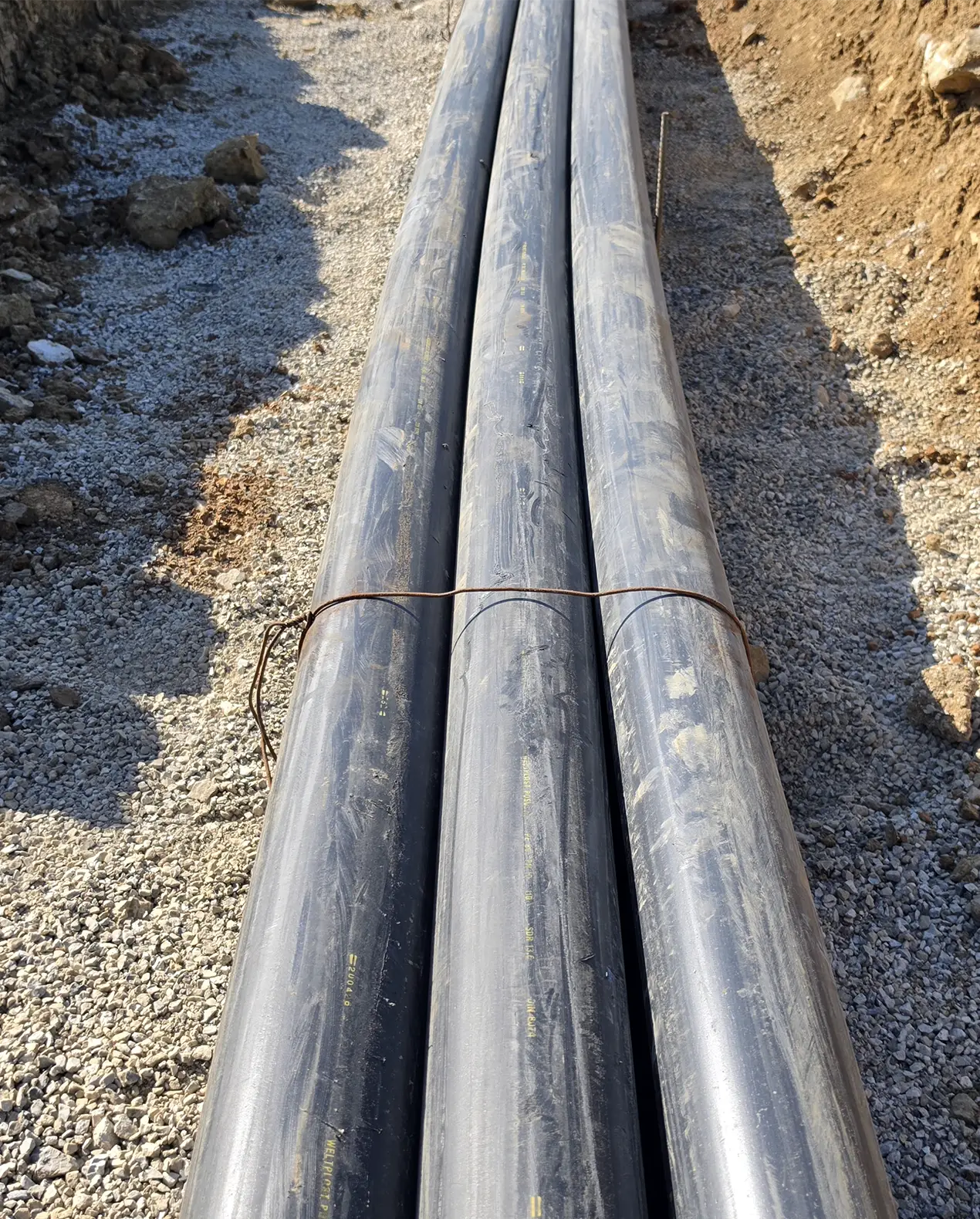
Renewable energy proposals can create valuable long-term income, but they also raise complex questions around access, grid connection, cable routes, easements, retained land, tax, decommissioning and the future use of your holding. Getting independent advice early protects your position throughout.
Our Experience
Having acted for landowners and developers alike, we understand both sides of a renewable energy negotiation. That means we know what a fair deal looks like and where the pressure points are across:
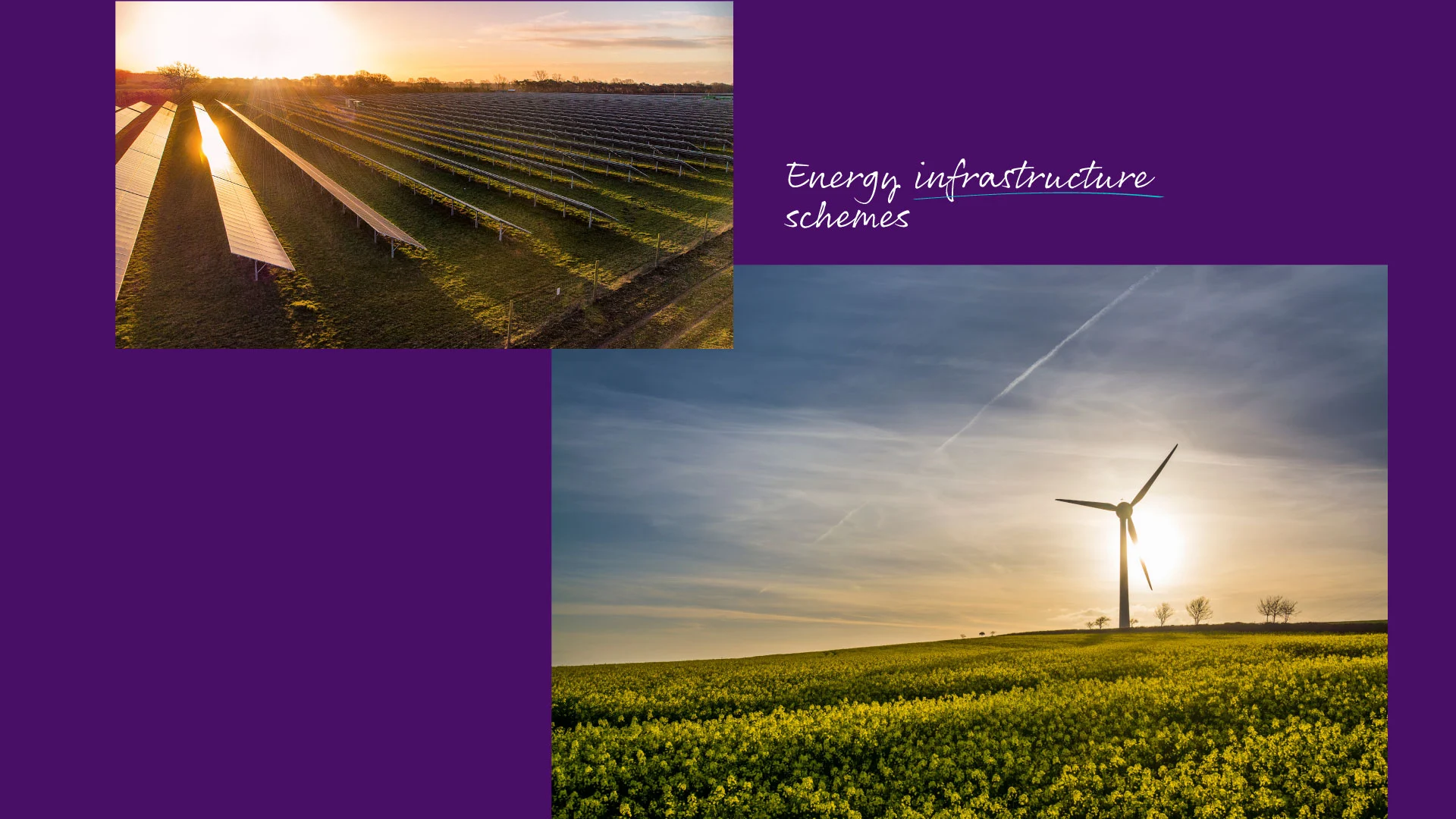
Wind — onshore wind farm proposals, from single turbines to larger schemes
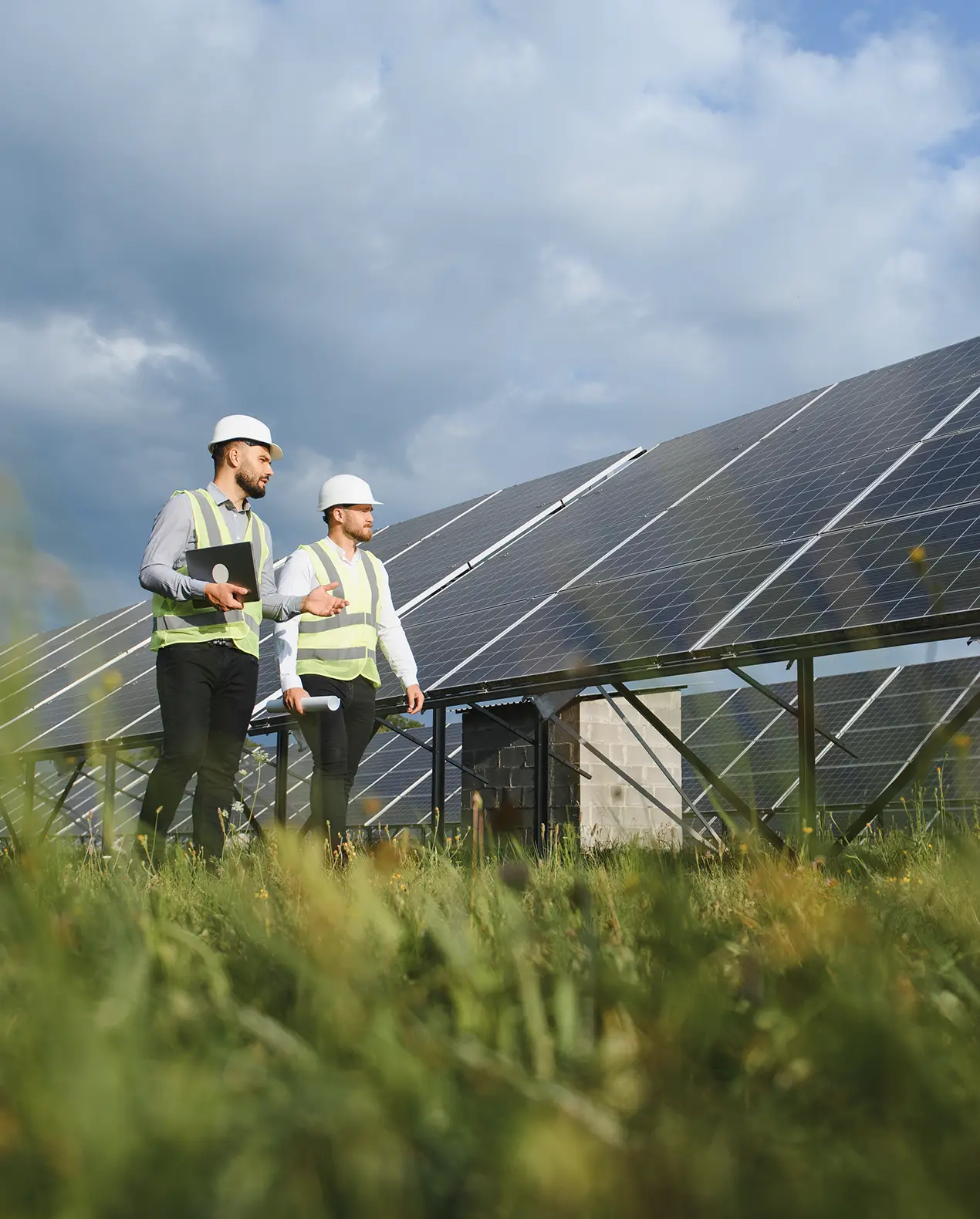
Solar — ground-mounted solar farms and associated infrastructure
Battery storage (BESS) — standalone and co-located battery schemes
Hydro — small-scale and run-of-river hydro proposals
Biomass — biomass and energy-from-waste schemes
Direct wire solar and wind — private wire schemes supplying power directly to an end user, bypassing the grid
Frequently Asked Questions
A developer has approached me about my land - what should I do first?
Don't sign anything or commit to exclusivity before taking independent advice. Early terms are often the easiest to improve, and once you're locked into an option agreement, your room to negotiate narrows. Speak to us before you respond to the developer.
What's the difference between an option agreement and a lease?
An option agreement gives the developer time to secure planning permission and grid connection while paying you a smaller option fee. Once (and if) the scheme goes ahead, it converts to a lease, at which point rental terms begin. The two are negotiated together but serve different purposes, and both need careful review.
How long do these agreements typically run for?
Terms vary by technology and scheme, but renewable energy leases are generally long-term commitments, often running for several decades once you include the option period, construction, operational life and any extensions. It's important to understand the full timeline before committing, not just the headline rent.
Will hosting a scheme affect the rest of my land or my ability to farm?
This depends on the technology and layout. Cable routes, access tracks, substations and buffer zones can all affect retained land and day-to-day operations. We review proposals to protect your ability to use the rest of your holding, and to make sure reinstatement obligations are clearly set out for when the scheme ends..
What happens at the end of the scheme - is the site restored?
Decommissioning and reinstatement should be built into the agreement from the outset, including who's responsible for costs. This is an area we pay close attention to, as it's often under-addressed in early drafts from developers...
Does this affect my tax position or succession planning?
It can. Renewable energy income and long-term land-use changes may have implications for inheritance tax, capital gains and how you plan to pass the holding on. We flag these issues early so you can take specialist tax advice alongside our commercial input.
Do you only act for landowners, or can you help developers too?
We act for both. Having negotiated from each side of the table, we understand what developers need to make a scheme work commercially, and what landowners need to protect their position — which helps us find workable terms faster.
Which technologies do you have experience with?
Wind, solar, battery storage (BESS), hydro, biomass and direct wire schemes. We've advised on projects ranging from single installations to larger multi-technology developments.